Copyright and Use of Literary Works
Every haiku, sijo, free-verse poem, congratulatory message, and other literary work published on this page is protected by copyright.
1. Ownership of rights
Copyright in each original work remains with its author or lawful copyright holder. Where Korean, English, or Japanese translations contain original creative expression, copyright in those translations belongs to the translator without prejudice to the rights of the original author.
2. Scope of festival publication
The Korea Haiku World Youth Festival Organizing Committee and the Korea Haiku Federation publish and present works and translations only within the scope authorized by the relevant author or rights holder. Publication on this website does not transfer copyright to the Organizing Committee or the Korea Haiku Federation.
3. Uses requiring prior permission
- Reproducing, storing, distributing, transmitting, or republishing all or part of a work or translation
- Using a work in print, e-books, websites, social media, video, audio, exhibitions, educational materials, or promotional materials
- New translation, adaptation, alteration, recital, recording, or filming of a work
- Redistribution through screenshots or saved images
- Automated collection, extraction, scraping, or database construction
- Use as data for the training, evaluation, or development of generative AI systems
4. Quotation, research, and education
Lawful quotation within the limits permitted by applicable law is allowed, but the author, work title, translator, page, and source must be clearly identified. Any use beyond legally permitted exceptions requires prior authorization from the relevant copyright holder.
5. Response to infringement
Unauthorized use or infringement may result in requests for removal, suspension of use, and other measures available under applicable copyright law.
© 2026 Miye Kim. All Rights Reserved.
This page is an official exhibition space for reading and literary exchange.
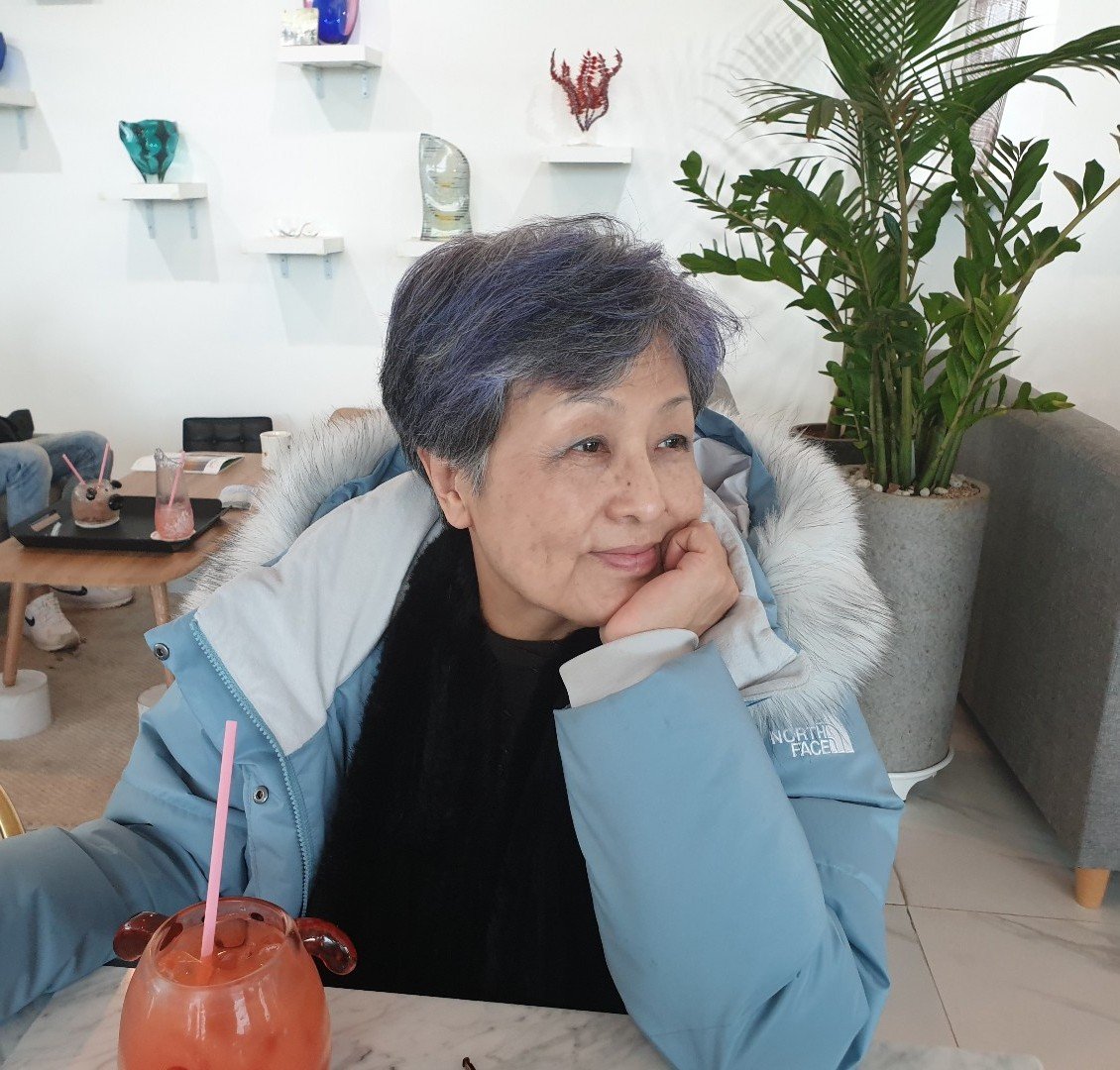
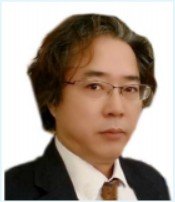
Miye Kim
Invited PoetKim Miye has also maintained a deep interest in theatrical directing and has personally directed more than ten Shakespearean plays. She has enjoyed reading and writing haiku since childhood and currently serves as editor and chair of the judging committee for the haiku section of the literary journal Hwangya Munhak (The Wild).
Kim Miye also co-edits and publishes the online haiku magazine Brief Candle with Dr. John J. Han. Dr. Han is currently Associate Dean of the School of Humanities and Theology at Missouri Baptist University, where he also serves as Professor of English and Creative Writing.
Kim Miye’s haiku writing is closely connected to her academic specialization in Shakespearean drama. She has drawn important inspiration for her haiku from Shakespeare’s way of observing human life and presenting its moments as they are, rather than explaining or defining human behavior and emotion.
Kim Miye believes that if haiku is poetry that captures a fleeting moment in nature, human beings themselves are also part of nature, and that capturing a moment of human action exactly as it unfolds can likewise approach the essence of haiku. Guided by this idea, she has developed a deep attachment to haiku and has continued to write steadily.
Shakespearean drama unfolds as a vast world of language composed of countless words and lines, whereas haiku belongs to a world of extremely restrained and concise expression. Yet Kim Miye believes that these two seemingly contrasting literary forms can meet at their deepest roots.
In Shakespeare’s comedy A Midsummer Night’s Dream, we encounter the paradoxical phrase “hot ice”, followed by the question “How shall we find the concord of this discord?”—in other words, “How can we find harmony within this discord?” For Kim Miye, the process of discovering a momentary harmony within things that appear contradictory and capturing it in a few words may be understood as both the practice of haiku and a form of literary play.
View full profileExpand career, publications, editing, and literary activities on this page.
Guest Work · Not entered in the official competition or awards.
새벽 찬 기운
털 엉킨 길 강아지
똬리를 트네
chilly dawn
a shaggy stray dog curls up,
tail wrapped tight
Translated by John J. Han朝寒し
毛もつれの犬
とぐろ巻く
訳:안수현 / An Soohyun사람들 모두
하늘 올려다보네
그냥 구름
everyone
looks up at the sky
just clouds
Translated by John J. Han人々や
空を仰げば
ただの雲
訳:안수현 / An Soohyun움켜쥐었다
이리 다 버릴 것을
색바랜 상자
tightly in hand
destined to be discarded
a faded box
Translated by John J. Han握りしめぬ
みな捨つるもの
褪せし箱
訳:안수현 / An Soohyun