Copyright and Use of Literary Works
Every haiku, sijo, free-verse poem, congratulatory message, and other literary work published on this page is protected by copyright.
1. Ownership of rights
Copyright in each original work remains with its author or lawful copyright holder. Where Korean, English, or Japanese translations contain original creative expression, copyright in those translations belongs to the translator without prejudice to the rights of the original author.
2. Scope of festival publication
The Korea Haiku World Youth Festival Organizing Committee and the Korea Haiku Federation publish and present works and translations only within the scope authorized by the relevant author or rights holder. Publication on this website does not transfer copyright to the Organizing Committee or the Korea Haiku Federation.
3. Uses requiring prior permission
- Reproducing, storing, distributing, transmitting, or republishing all or part of a work or translation
- Using a work in print, e-books, websites, social media, video, audio, exhibitions, educational materials, or promotional materials
- New translation, adaptation, alteration, recital, recording, or filming of a work
- Redistribution through screenshots or saved images
- Automated collection, extraction, scraping, or database construction
- Use as data for the training, evaluation, or development of generative AI systems
4. Quotation, research, and education
Lawful quotation within the limits permitted by applicable law is allowed, but the author, work title, translator, page, and source must be clearly identified. Any use beyond legally permitted exceptions requires prior authorization from the relevant copyright holder.
5. Response to infringement
Unauthorized use or infringement may result in requests for removal, suspension of use, and other measures available under applicable copyright law.
© 2026 LIM SEONNYEO. All Rights Reserved.
This page is an official exhibition space for reading and literary exchange.
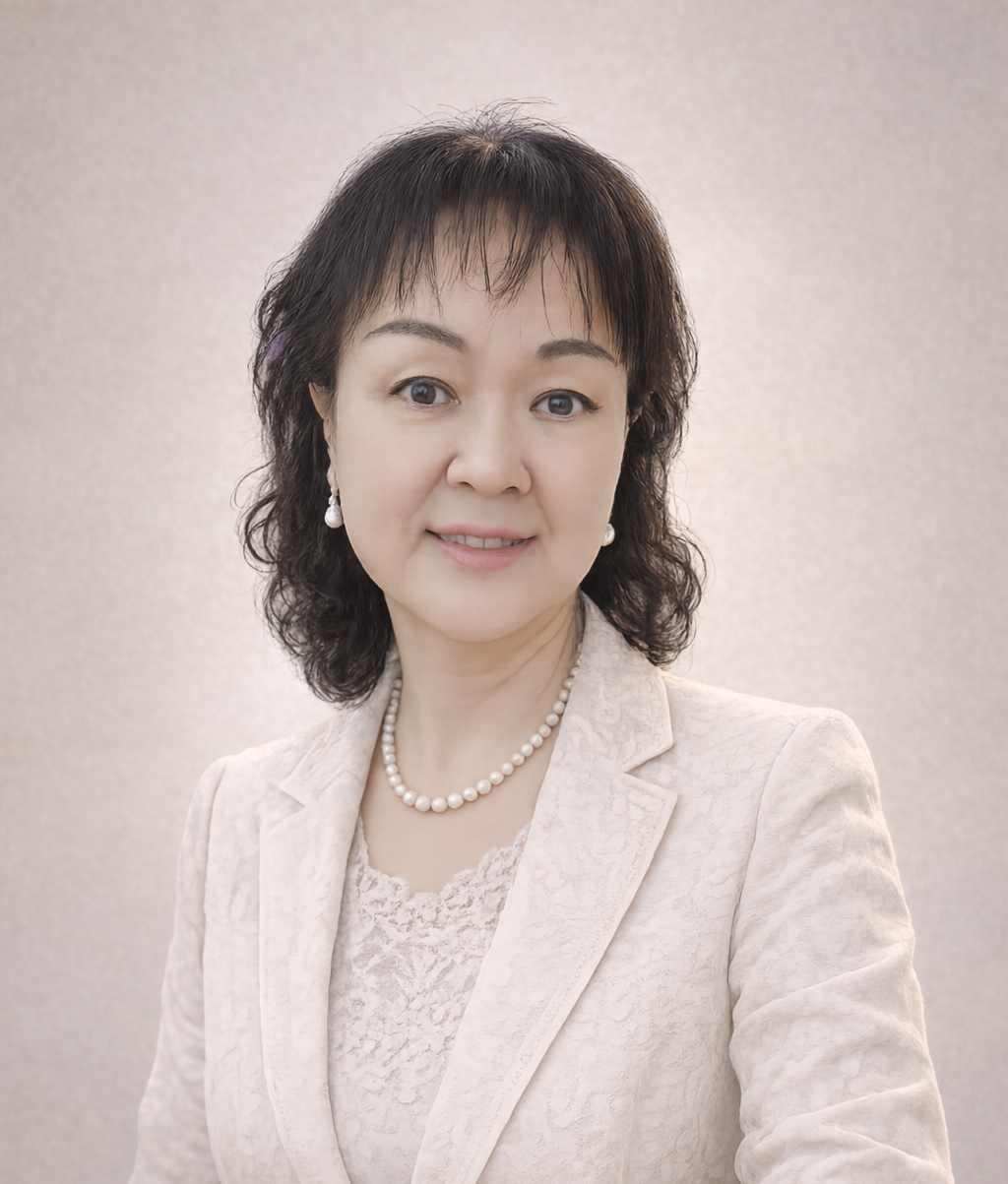
LIM SEONNYEO
Invited PoetIn February 2025, her works were published in Vol. 2 of SUMNORGEE, and she received the Korea Haiku Grand Prize at the 2nd Publication Commemorative Event. In March 2026, her works were also featured in Vol. 3 of SUMNORGEE, and she continues to pursue Korea Haiku writing with dedication. She currently serves as a Standing Executive Committee Member of the Korea Haiku Federation, contributing to the creation and wider appreciation of Korea Haiku.
For Lim Seonnyeo, haiku is not simply a literature of linguistic “compression,” but rather a literature of selection—a question of what, among countless words, should ultimately remain. She regards the season word (Gyejeolmal) as a “coordinate of time,” indicating where a particular moment belongs within the passage of time and the seasons. While respecting the traditional aesthetics of Japanese haiku, she seeks not to imitate them directly, but to create new poetic space through the distinctive rhythm, breath, and sense of closure inherent in the Korean language.
In the principle of fueki ryūkō (不易流行), she finds a harmony between enduring essence and continual renewal. Rather than imposing excessive meaning upon objects or experiences, she seeks to reveal them with clarity and transparency. For her, poetic newness is found not necessarily in distant or extraordinary landscapes, but in walking the same road in another season and seeing familiar things with a changed heart.
With the conviction that “I do not want merely to write briefly; I want what I write to remain for a long time,” she continues to create Korea Haiku that offers no single answer, but instead leaves readers a space in which to reopen their own lives and senses.
View full profileExpand career, publications, editing, and literary activities on this page.
Guest Work · Not entered in the official competition or awards.
민들레 홀씨
개구쟁이 후후후
뜻밖의 여행
Dandelion seeds
a scamp—hoo, hoo, hoo
unexpected trip
민들레 홀씨
개구쟁이 후후후
뜻밖의 여행
달큰한 향기
장독대 돌아서니
수국이 웃네
Sweet scent
turning past the Jangdokdae
hydrangeas smile
달큰한 향기
장독대 돌아서니
수국이 웃네
새끼 고양이
마른 단풍나무 밑
떠날 줄 몰라
A kitten
under the dry maple tree
not knowing how to leave
새끼 고양이
마른 단풍나무 밑
떠날 줄 몰라